Fabric, Fabric, Everywhere!
What to do with that extra fabric, without throwing it away
Fabric Swatch Seek and Find
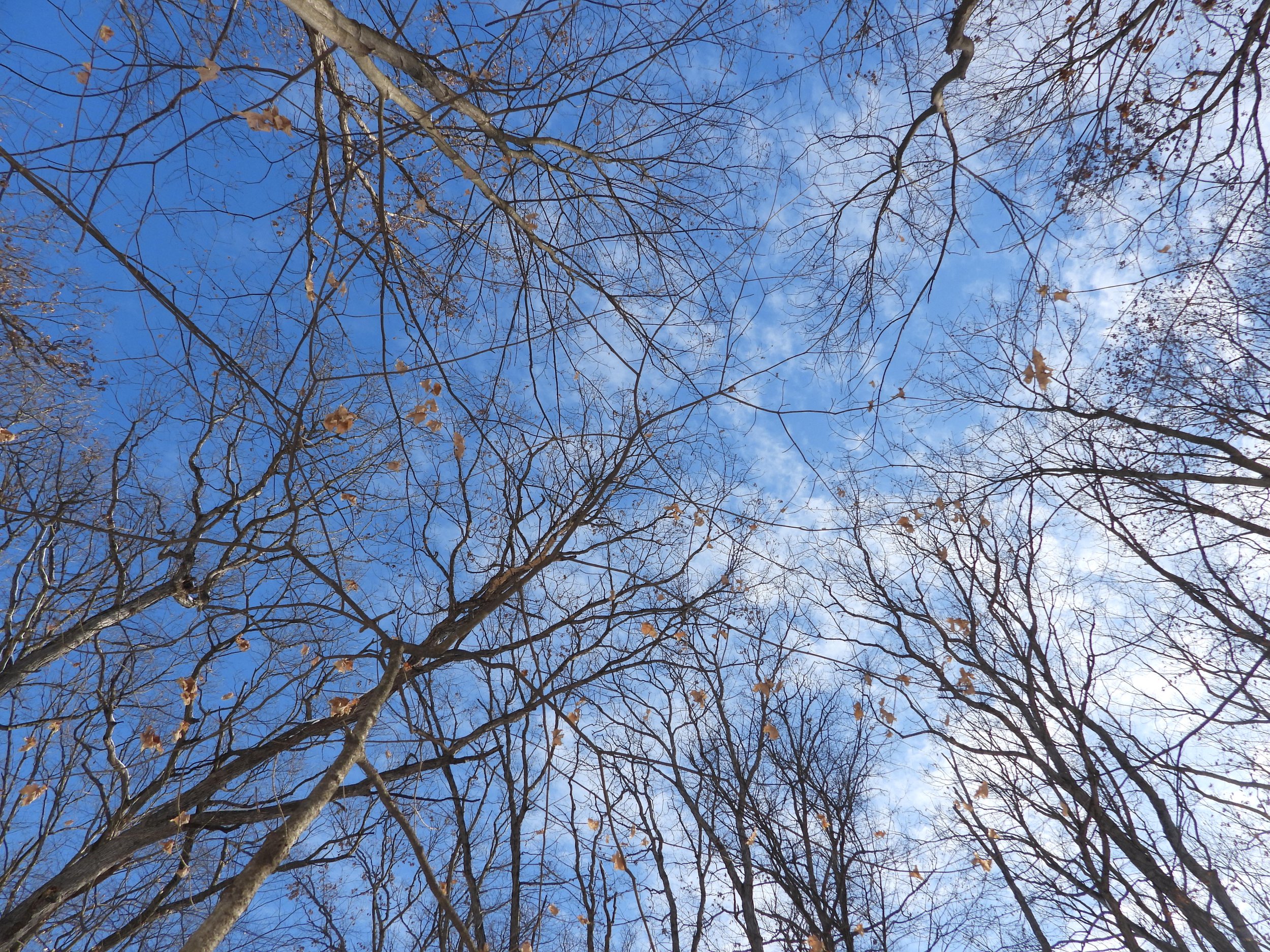
Time in nature can be a way to disconnect and decompress from the stresses of your day. Many of us spend a lot of time in front of screens, whether it is a desktop computer, tablet, or phone. Spending time outdoors has been shown to potentially alleviate mental health symptoms associated with screentime (Deyo et. al, 2024).
Nature activities don’t have to be long hikes or camping trips. If you’re an artist, especially if you sew or use a lot of fabric, this activity is a free and easy way to spend some time outside.
If you’re like me, you have accumulated a box of fabric scraps that aren’t quite large or even enough for clothing patterns. Rather than throwing those pieces away, you can use the variety of colors and patterns in an outdoor fabric seek and find.
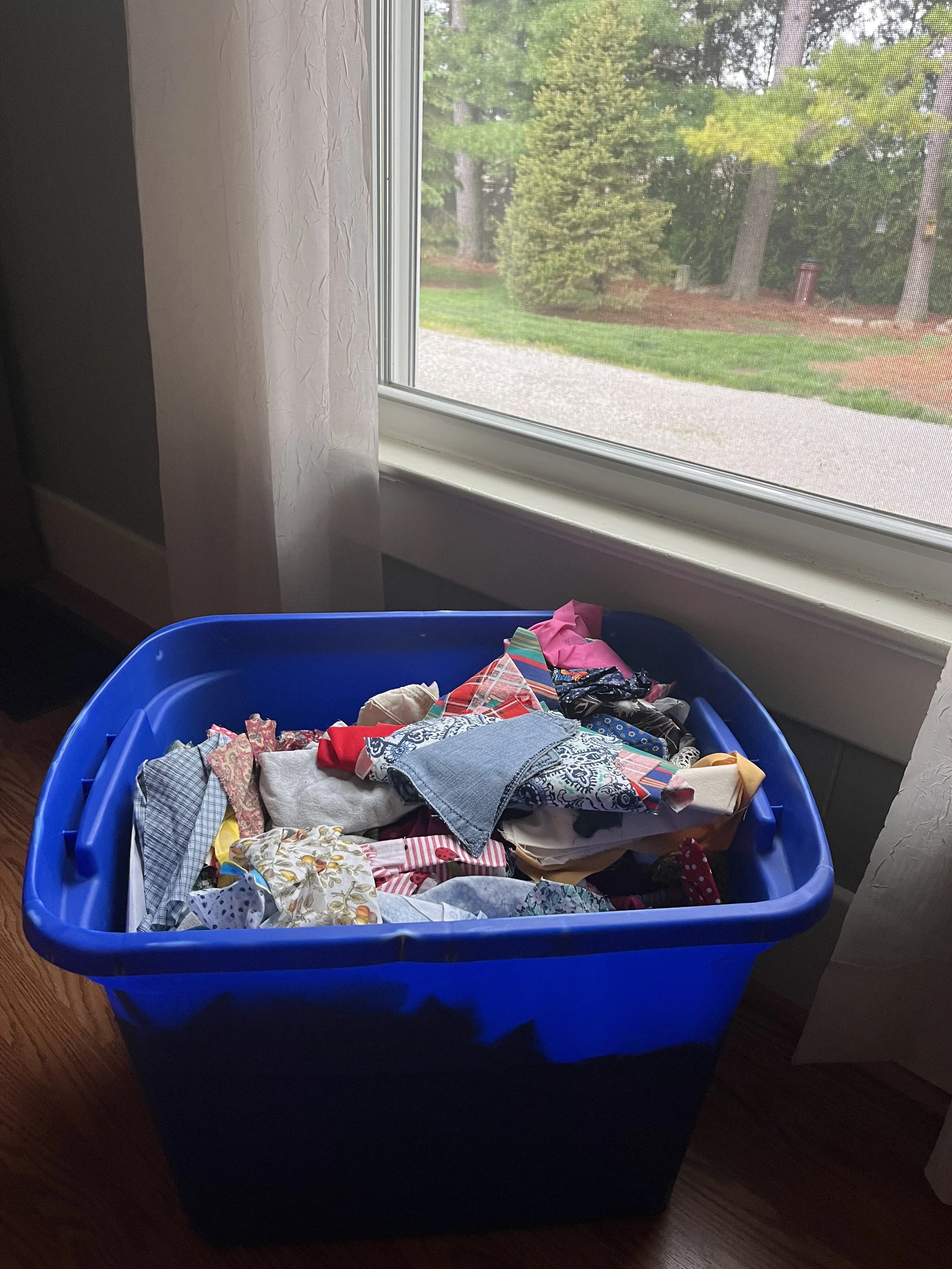
First select maybe ten to twenty pieces of fabric scraps, perhaps organizing them like you would an array of paint swatches, a kaleidoscope of color. Head outside, to a backyard, a park, a green space near you. Take a moment to really look at the natural world around you, then look toward your collection of materials.
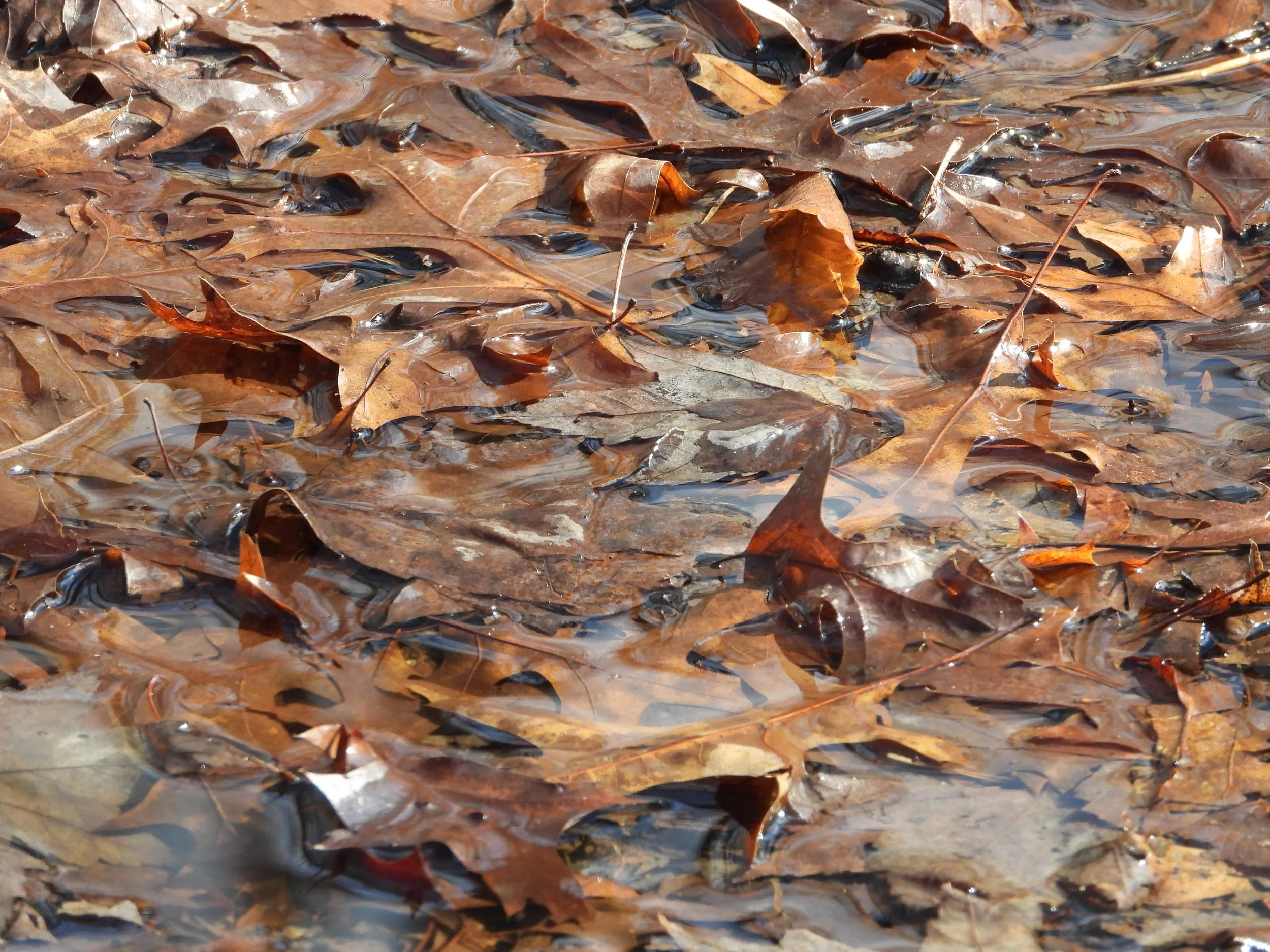
Do any of the tree leaves match the greens or yellows or orange fabric pieces? Does the bark of the tree match perfectly? How about the cool gray of garden stones, or the bright red of a northern cardinal singing in the brush?
This activity, while simple, is surprisingly engaging for many ages, and is a way to reexamine the outdoor spaces you may walk through every day, and marvel at the beauty of the apparently ordinary surroundings.
Added elements to this activity could be creating seasonal baskets of fabric or collecting sticks and stones and leaves to make a photo collage!
References
Deyo, A., Wallace, J., & Kidwell, K. M. (2024). Screen time and mental health in college students: Time in nature as a protective factor. Journal of American College Health, 72(8), 3025–3032. https://doi.org/10.1080/07448481.2022.2151843
Tote Bag Bonanza
Many of us have a tote bag (or two, or three) laying around. They are a great way to carry groceries, books, or snacks and are a great alternative to plastic bags. Plastic bags take a lot of energy to produce, and can take 200 years to degrade, and the amount of them used each year approaches the billion mark (Zambrano-Monserrate & Ruano, 2020)!
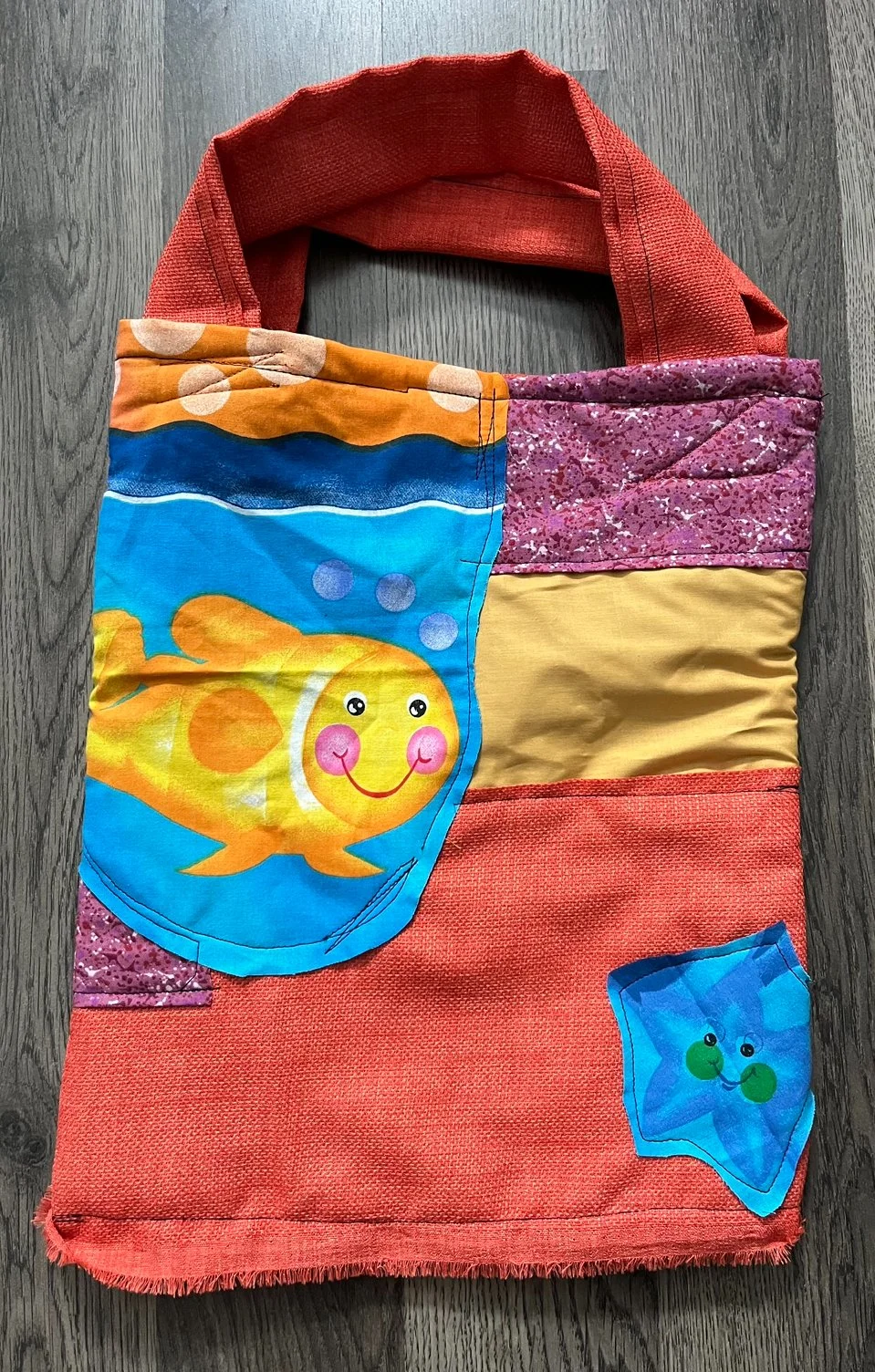
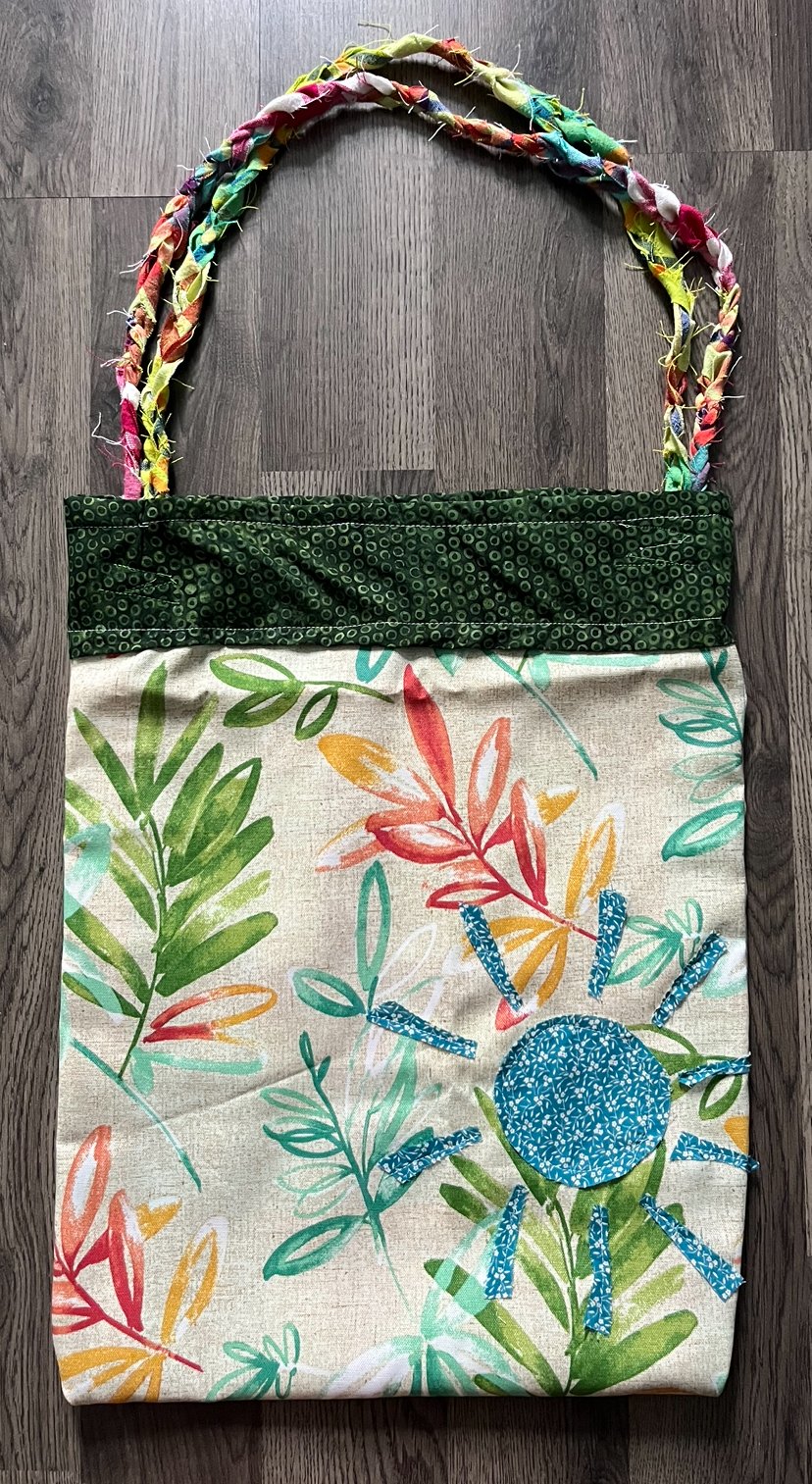
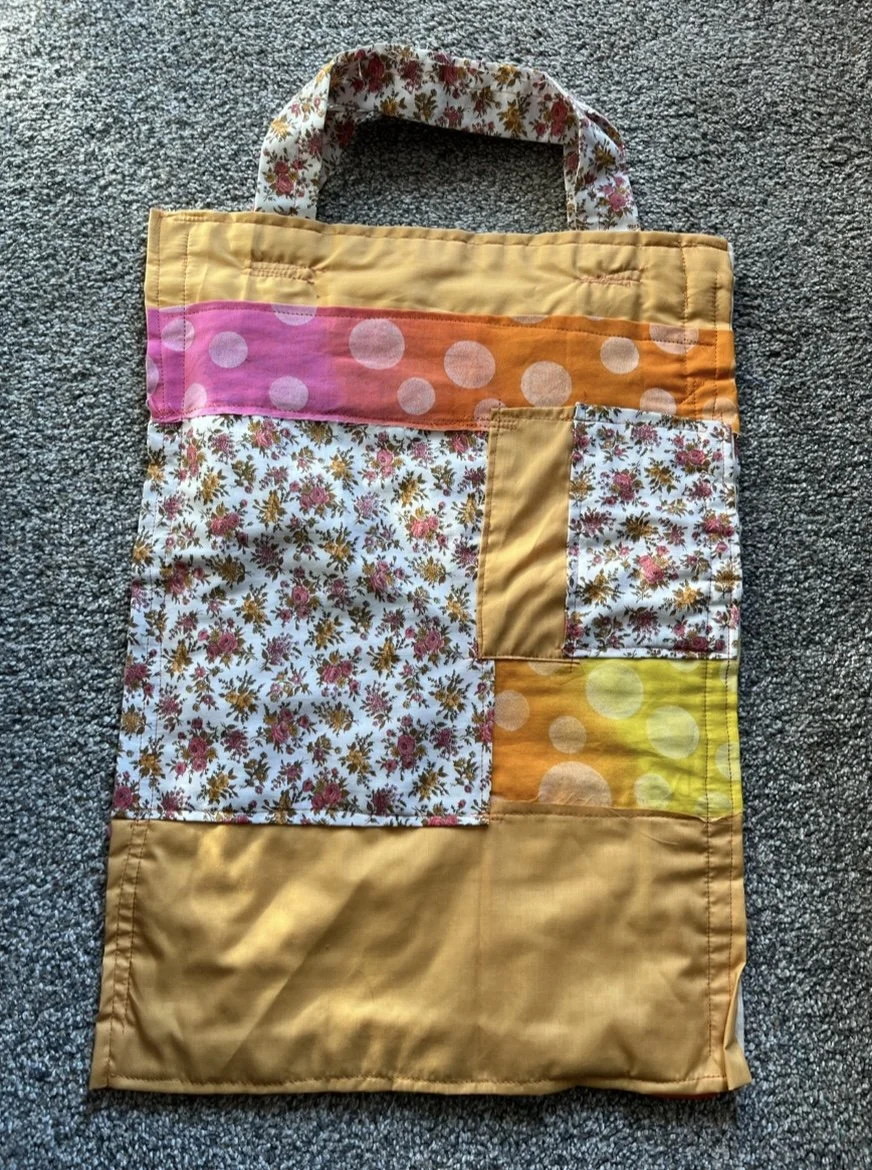
If you already have a tote bag, you can add on to it with your fabric scraps, making patches from plants, animals, and the shapes found in fabric patterns for a whimsical touch. Tote bags are also a relatively straightforward sewing project, and fabric strips can be stripes, blocks of color, and even twisted together to make textured handles.
References
Zambrano-Monserrate, M. A., & Alejandra Ruano, M. (2020). Do you need a bag? Analyzing the consumption behavior of plastic bags of households in Ecuador. Resources, Conservation and Recycling, 152, Article 104489. https://doi.org/10.1016/j.resconrec.2019.104489
Less Paper, More Trees
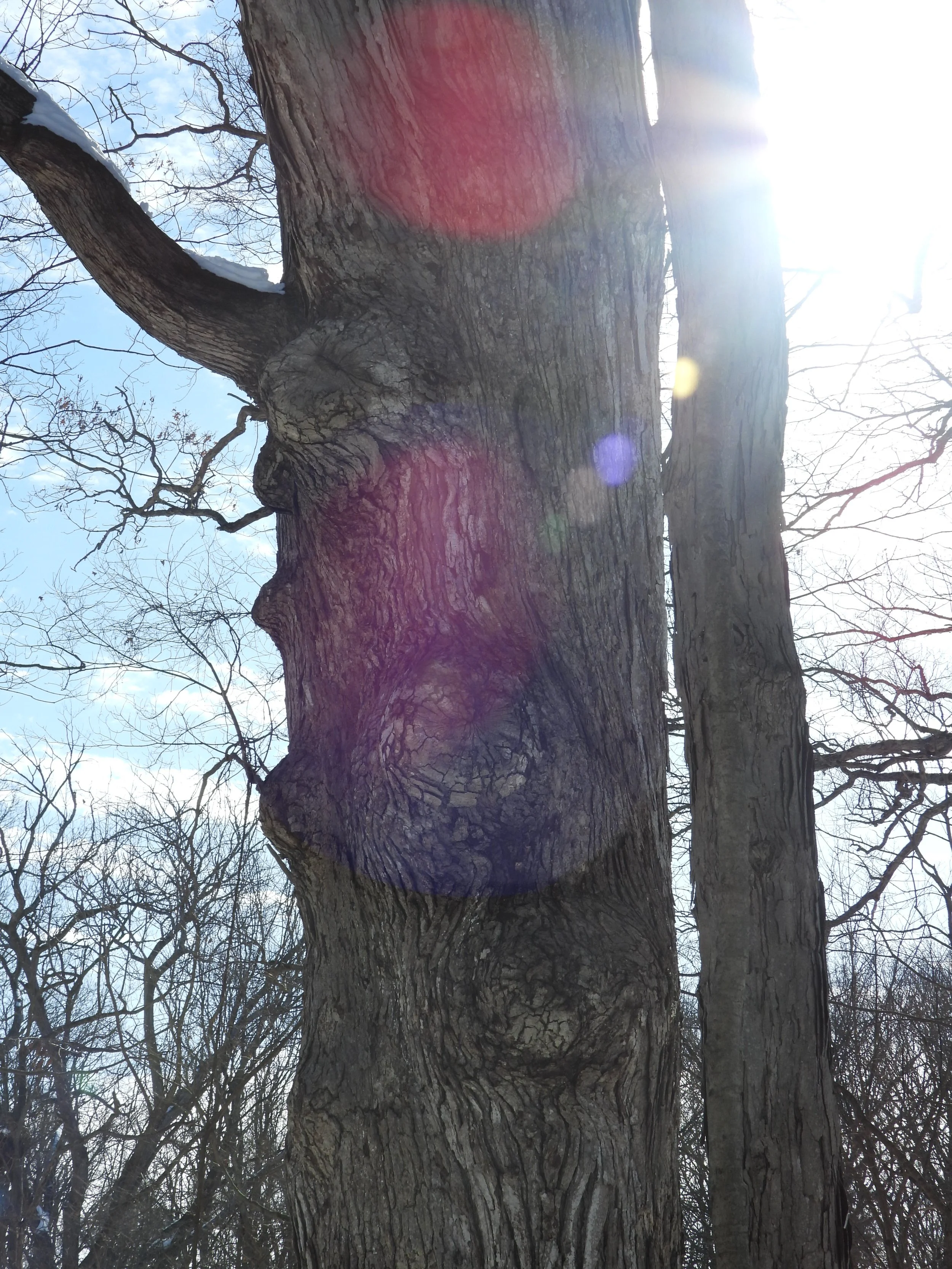
If the fabric you have is not quite up to tote bag standards, using cloth for towels or rags is a possibility. Paper towels are convenient and sometimes the best option, but it can also be easy to use them in excess. In addition to the use of trees, production of paper towels requires water, electricity, and depletes fossil fuels (Ingwersen et. al, 2016). Using reusable cloths instead of paper can be a great eco-friendly option!
References
Ingwersen, W., Gausman, M., Weisbrod, A., Sengupta, D., Lee, S.-J., Bare, J., Zanoli, E., Bhander, G. S., & Ceja, M. (2016). Detailed life cycle assessment of Bounty® paper towel operations in the United States. Journal of Cleaner Production, 131(C), 509–522. https://doi.org/10.1016/j.jclepro.2016.04.149
Sharing is caring
Would you like your unwanted art supplies go to someone who may need or want them? Donating your materials to a reuse organization is an option! Reuse organizations are nothing new; with some established as early as the 1980s (Block & Wood, 1998). Contemporarily, this also includes art reuse supply stores. These organizations will accept donations of not only fabric, but other unwanted art supplies, and then make those materials accessible to the community. A few examples in Ohio would be:
Craft Raccoon Creative Reuse and Community Studio
Columbus, Ohio
*Donations accepted include brushes and paints, materials for knitting including yarn and buttons, and much much more!
https://www.craftraccooncbus.com/#/
Indigo Hippo
Cincinnati, Ohio
*This organization is especially seeking donations of yarn, paints, stamps, and paper!
https://www.indigohippo.org/about
Upcycle Parts Shop
Cleveland, Ohio
*Schedule an appointment to donate with this organization, they accept materials from jewelry to paints to office supplies!
https://www.upcyclepartsshop.org
References
Block, D., & Wood, A. (1998, February 1). Second time around: Rescuing materials from landfills. BioCycle, 39(2), 66–68.